YES/AND.

YES/AND: Inclusive Pathways for Arctic Environmental Data Justice

This project is focused on improving the International Arctic Observing Assessment Framework, a framework to improve environmental data in the region through the lens of societal benefits like disaster preparedness and food security. While it outlines more than 160 societally-relevant key objectives, it doesn’t include a single reference to gender. Informed by feminist evaluation, and feminist and Indigenous data principles, WoA proposes to convene diverse focus groups to proactively seek perspectives on gender, Indigeneity and their intersections, which were excluded from the original framing. This work will investigate the implications of these missing perspectives and develop feedback toward inclusive planning tools for Arctic regional resilience.

READ THE ANNOUNCEMENT.

Upcoming Events

Look for opportunities to learn more about this effort at:


FUNDER

Accurate, timely, and inclusive data is essential to building gender-transformative and climate-resilient futures. While the impacts of climate change are well-documented at a macro level, the lived experiences of those on the frontlines— especially women and gender-diverse people, people with disabilities, and other structurally marginalized groups — are often missing from the data that informs planning, policy, and financing. The result is climate strategies that are incomplete at best and maladaptive at worst. 

Each year, the Gender and Environment Data Alliance (GEDA) supports projects that explore feminist, grassroots, and community-based quantitative and qualitative data collection methodologies, with an emphasis on locally-led and participatory approaches. While some projects may generate new data to fill existing gaps, others may strengthen capacity, raise awareness, or illustrate best practices to catalyze greater uptake and use of quality data and knowledge for gender-transformative environment and climate action.

Women of the Arctic is a Member of GEDA.


PROJECT LEADS.

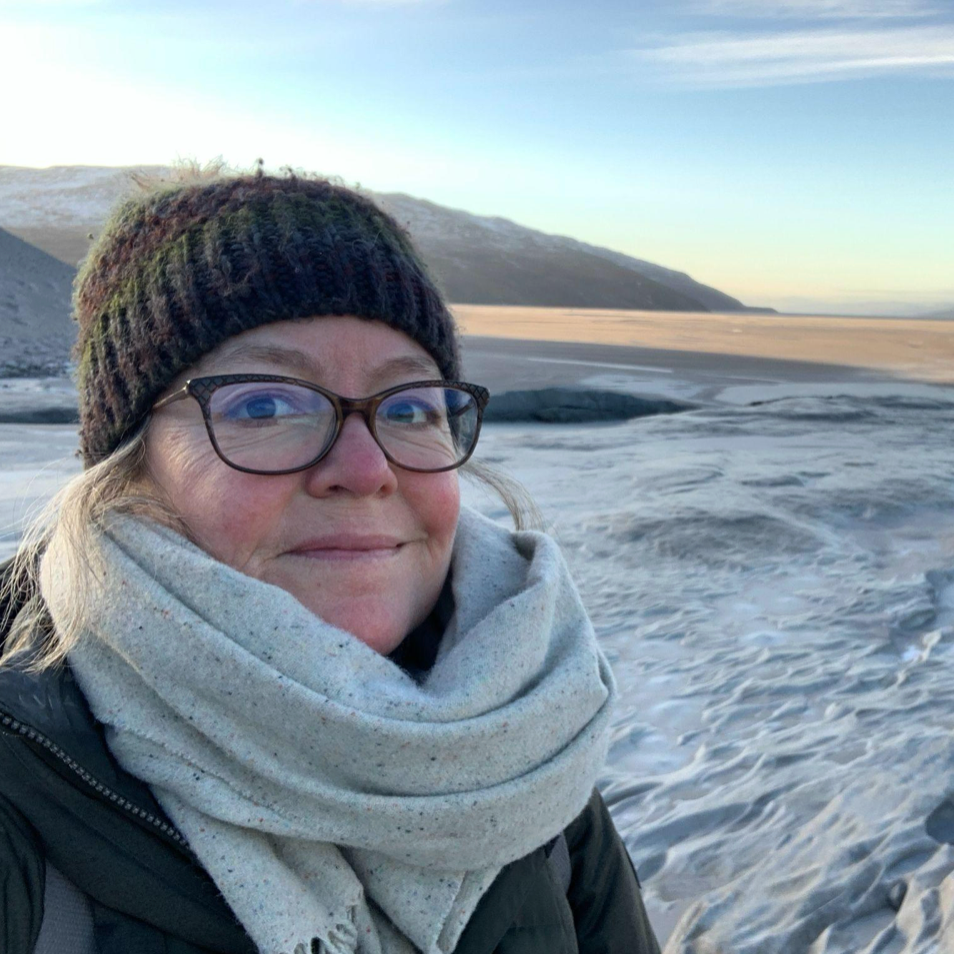
SANDY STARKWEATHER is a research strategist whose work bridges engineering, climatology, and research policy to advance environmental monitoring and data systems that are broadly useful. With extensive national and international experience, she has led efforts to highlight how power imbalances in research governance undermine research quality and climate resilience and has worked to embed equity and transparency in Arctic observing and data governance.

Sandy is the former Chair of the Sustaining Arctic Observing Networks (SAON) and currently serves as Co-Chair of its planning Advisory Panel, roles that position her to connect project findings directly to decision-making processes that shape international Arctic observing efforts. She brings a long track record of convening governments, Indigenous Peoples’ organizations, researchers, and civil society to broaden participation in environmental data planning and improve the legitimacy and utility of observing systems.

She identifies as a white, western, female researcher and a settler in the homelands of the Ute, Cheyenne, and Arapahoe peoples. In this project, Sandy will support focus group design, implementation, analysis, and strategic communication to SAON.

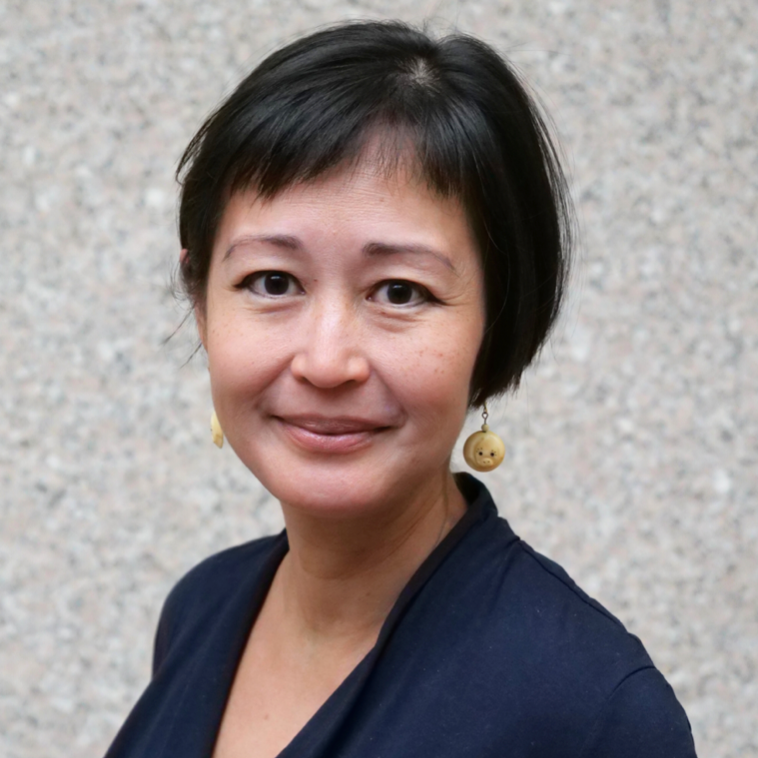
OLIVIA LEE is a marine ecologist who has worked with coastal communities to track environmental changes for migratory species in sea ice habitat. Although she lives in Alaska, she brings a perspective of navigating power and gender dynamics from growing up in Malaysia and moving abroad. She has contributed to diversity, equity and inclusion efforts in Arctic research across academic and federal institutions.

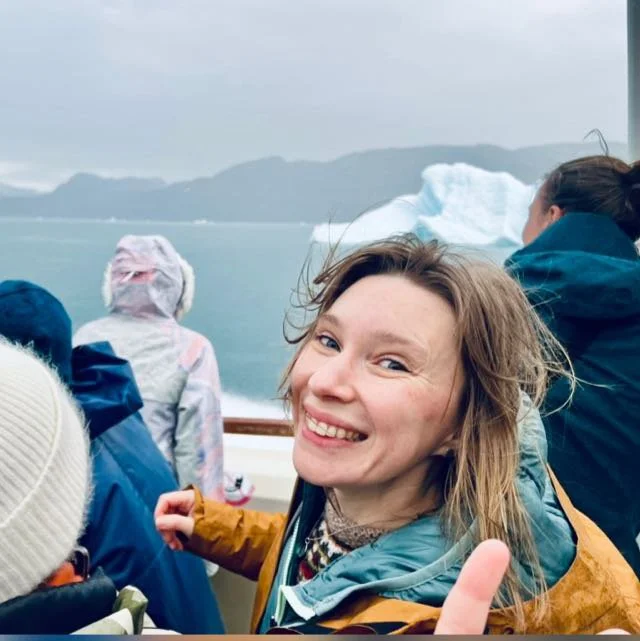
LEASI VANESSA LEE RAYMOND is a socio-technologist interested in data and computational ethics. She is the co-chair of SAON’s Arctic Data Committee. Her work concerns Indigenous data sovereignty; recent talks include “What the Rock Said to the Human” a Ted-style talk at the Akureyri-based Arctic Energy Forum, in book the chapter “Your Ancestors Are Gossiping About Your Data Management Plan” for Oregon State University Press, and a Montreal plenary on “Data Dreams and Data Futures” at the Indigenous Futures Research Center Symposium. Leasi is a matai for the village of Solosolo (Samoa). She will contribute to focus group design and dialog.

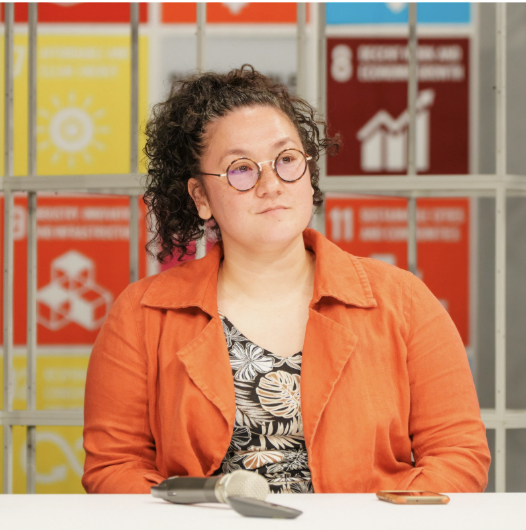
Tahnee Prior co-leads Women of the Arctic, a Finland-based non-profit focused on issues of gender equality in the Arctic. She co-leads research on the gender dimension of Arctic observing systems in Arctic PASSION, an EU-funded initiative focused on Arctic environmental data systems. She is also co-author of the “Gender & Environment” chapter in the Pan-Arctic Report on Gender Equality in the Arctic (2021). She will contribute to project administration, analyses, and reporting.